Slee Blackwell Partner Jasmine Moxey-Butler has provided legal input for major storyline on The Archers, involving an injury on farming land.
Specialist personal injury lawyer Jasmine Moxey-Butler has provided legal input during the development of a major injury storyline for BBC Radio 4’s The Archers.
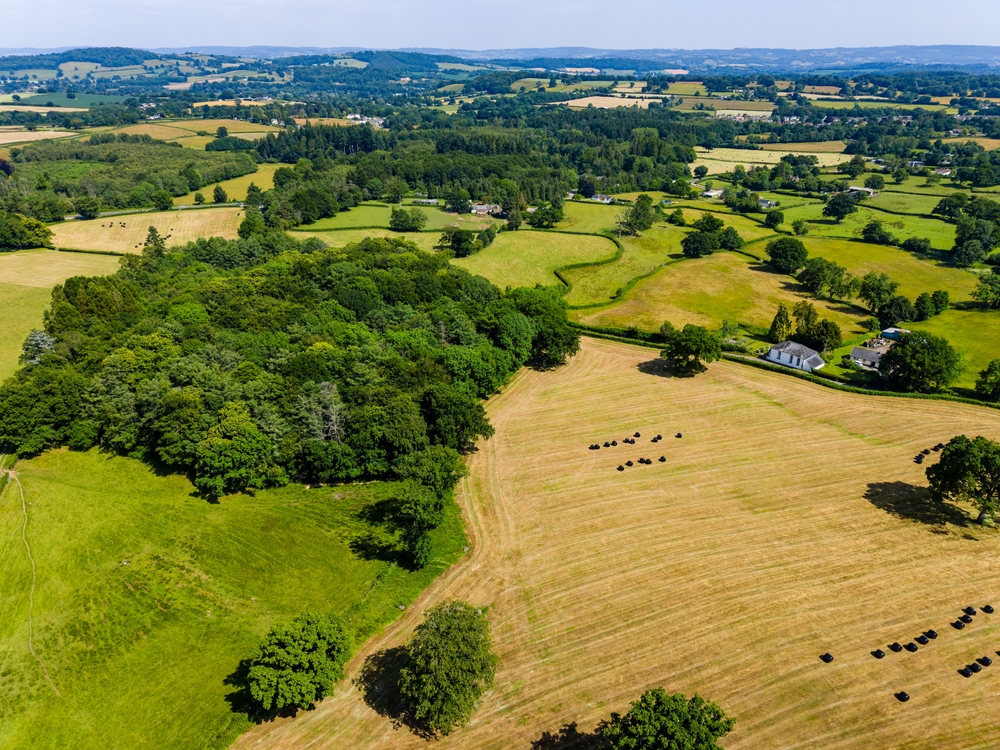
For more than 70 years, The Archers has been renowned for weaving real-world issues into life in the fictional village of Ambridge. When the programme was developing a storyline involving a catastrophic injury caused by a falling tree on re-wilded land, the production team wanted to ensure that the legal issues underpinning the story reflected the complexities of a real personal injury claim.
That is where Jasmine Moxey-Butler came in.
Jasmine has developed a particular specialism in unusual and complex liability cases, including accidents involving farms, animals and the countryside.
Earlier this year, she was approached by Fiona Mountain, then Farming and Countryside Adviser to The Archers, to provide legal input on the developing storyline.
The collaboration involved considering the sort of questions that would arise in a real catastrophic injury claim: who was actually responsible for the land and the tree, what systems of inspection were in place, whether warning signs had previously been identified, the significance of any failure to carry out a recommended inspection, and how responsibility might be divided where ownership and day-to-day management of land rested with different parties.
The resulting storyline began broadcasting in October and is due to continue into the first week of December.
When fiction meets real-world litigation
For Jasmine, hearing those issues now emerge on air has been an unusual experience. She said:
“It has been fascinating listening to the storyline develop and hearing some of the legal issues we discussed behind the scenes becoming part of life in Ambridge.
“What makes the storyline particularly interesting from a lawyer’s perspective is that a serious injury does not automatically mean that somebody has been negligent. The real question is what ought reasonably to have been done to avoid the accident.
“Issues such as who controlled the land, what inspections had taken place, whether further inspection was recommended and whether anything was missed can completely change the legal position.
“They are exactly the sort of evidential questions we have to unravel when investigating a serious injury claim.”
The significance of the missed inspection
Listeners following the storyline will have heard the focus beginning to shift towards the management and inspection of the tree before the accident.
That is a crucial distinction in real-life litigation.
A tree falling during severe weather does not, in itself, establish negligence. Equally, describing an incident as a freak accident or an unavoidable consequence of a storm does not necessarily dispose of a claim.
The investigation has to go further.
Was the tree known to present a potential risk? Had it been professionally inspected? Were recommendations made? Who was responsible for implementing them? Were reasonable systems in place for monitoring trees in areas where people could foreseeably be placed at risk?
And critically, would reasonable action have prevented the injury?
These are the issues on which liability can ultimately turn.
Who is responsible when land is managed by someone else?
Another feature of The Archers storyline is particularly familiar to Jasmine from her own specialist practice: identifying the correct defendant.
Ownership of land does not necessarily tell the whole story.
Where land is leased, occupied, farmed or managed by another organisation or individual, careful investigation may be needed to establish who was responsible for inspection, maintenance and management of the particular hazard.
Contracts, leases, inspection records, maintenance documents and insurance arrangements may all become important evidence.
Jasmine explains:
“One of the risks with unusual accident claims is jumping too quickly to the conclusion that the owner must be responsible.
“In practice, the first thing I want to understand is who actually had control of the risk. You then work backwards through the contracts, inspection records, witness evidence and expert evidence to establish what should have happened and whether there was a breach of duty.
“That analysis is especially important in countryside and farming cases because responsibility can be split between several different people or organisations.”
From cow attacks to Ambridge
The invitation to assist The Archers reflects Jasmine’s increasingly unusual specialist practice.
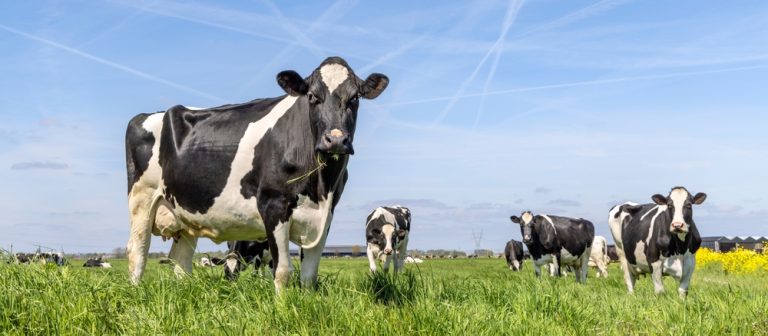
Alongside her wider serious injury work at Slee Blackwell, she has developed a national niche acting for people injured by cattle and other animals and is known professionally as “The Cow Injury Lawyer.”
Those claims frequently involve complex questions about rural land management, public access, livestock behaviour, risk assessment, farming practices, insurance and occupiers’ liability.
It means that the fictional legal problems arising in Ambridge were not so far removed from the real-life cases Jasmine encounters.
She said:
“I have always enjoyed the unusual cases. If a claim involves an odd set of circumstances, difficult liability questions and a bit of detective work, it is probably going to interest me.
“Providing legal input for The Archers was obviously rather different from running a case through the courts, but the underlying exercise was surprisingly similar: take an unusual accident, establish the facts, identify who was responsible for what and work out how the law would deal with it.
“It was enormous fun to be involved, and I am delighted if my input helped to make the legal side of the story feel authentic.”
The programme’s Farming and Countryside Adviser Fiona Mountain subsequently thanked Jasmine for her assistance and told her that she hoped she would enjoy ‘listening to the story you helped to create.’”
Specialist advice for unusual injury claims
For Slee Blackwell, Jasmine’s work with the programme also illustrates something that those working in serious injury litigation know well: no two accidents are quite the same.
Cases involving farms, animals, trees and rural land can involve very different legal and evidential considerations from conventional road traffic or workplace accidents.
Early preservation of evidence can be particularly important. Depending on the circumstances, photographs, inspection and maintenance records, contracts, risk assessments, witness evidence and suitably qualified expert evidence can become central to determining what really happened.
Jasmine added:
“Some of the most interesting personal injury cases are the ones where liability is not immediately obvious.
“My job is not simply to say that somebody has been injured and therefore somebody else must be responsible. It is to investigate the evidence properly, test the potential claim and, where the evidence supports it, build the strongest possible case for the injured person.
“That is why I enjoyed working on this storyline so much. The legal answer depended on the detail, just as it does in real life.”
The storyline is currently airing on The Archers on BBC Radio 4 and BBC Sounds.